




Get to Know The Relationship Between SEO and Content
Picture it: you’ve just spent hours writing a new blog for your business website. You love it, your teammates love it, and you’re certain that your audience will love it. So, you publish it and you wait for the website traffic to pour in. You wait for the phone to ring out the wazoo with qualified leads. But it doesn’t happen. Your beloved blog falls flat, and you wonder if content marketing is really worth all the hype after all.
This type of situation happens all the time. Countless blogs and videos out there say that if you write content, you’re bound to get results. But they don’t talk as much about the steps you should take before you even open that document to write the first sentence of your blog. That’s where search engine optimization comes in.
The relationship between search engine optimization (SEO) and content marketing is an important one. It’s a love story, really. They work together, benefit from each other, and can make a huge difference with your audience. They’re truly a power couple that you’ll want in your corner to facilitate ongoing business success. But you’ll need to learn how to do it the right way – and that’s exactly what we’re here to discuss today.
Learn to Drive Revenue with SEO and Content
Content and SEO work together to give your website the best chance at reaching your target audience. Interested in diving deeper into their relationship? Make sure you check out our recent webinar, “SEO & Content: A True Love Story.” You’ll learn key insights such as:
- How do SEO and content work together?
- How can optimized content build relationships?
- What are best practices for creating conversational content?
- How do you effectively promote your content once it’s published?
- And more!
You’ll also walk away with tools to help you get started optimizing your content. We hope you enjoy and learn something new!
Searching for Love: Meet Search Engine Optimization
Search engine optimization (SEO) is the ongoing process of improving key elements of a website to improve organic search engine results rankings. While paid advertisements can be expensive to run, SEO costs nothing but time to implement.
The goal of SEO is to not just increase the quantity of website traffic but to improve the quality of the visitors as well. This is why understanding your desired audience is so important. How can you optimize your website to better reach your customers if you don’t know who they are?
So, research and search intent are key components in SEO. In order for a search engine’s algorithm to recognize your website as valuable and relevant for a keyword, your content needs to include the right search intents. And to know what your audience is searching for, you need to conduct research. Lots and lots of research.
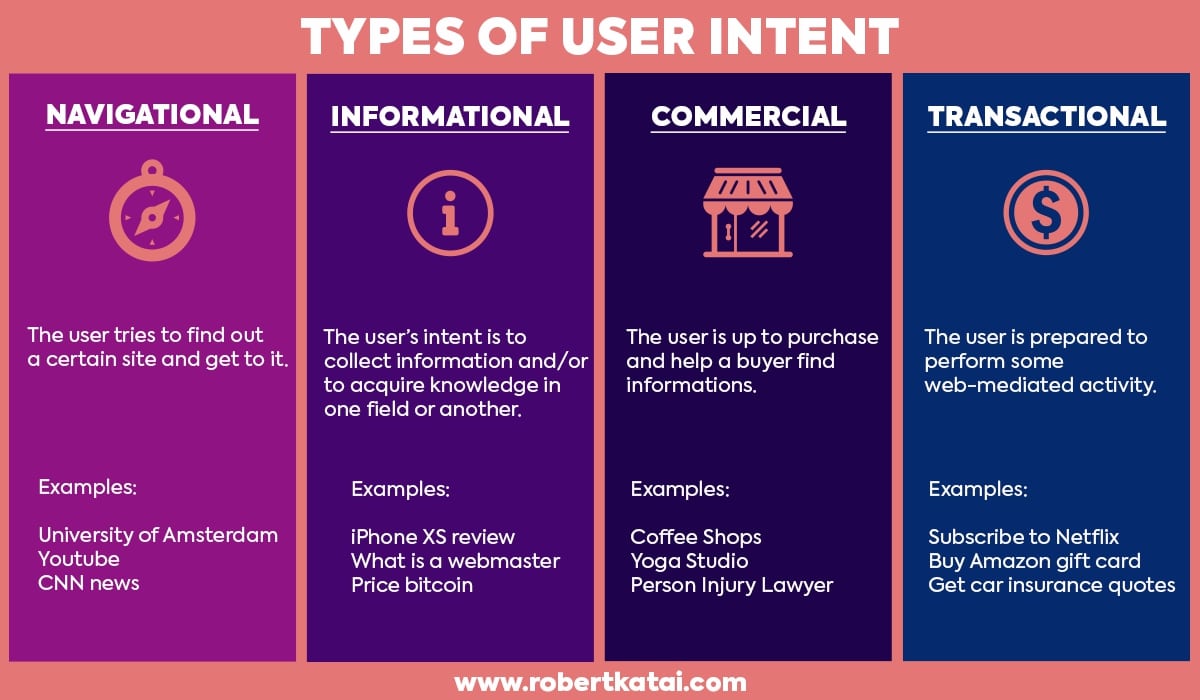
Key factors of your website that search engines consider strong ranking signals include:
- Page Speed
- Secure Website (SSL)
- Title Tags
- High-Quality Content
- Internal Links
- Backlinks
- Image Alt Tags
- User Experience (a.k.a. Page Experience)
- And so much more!
With SEO, there’s a lot to think about. Websites today can have hundreds of individual web pages, all of which need to be regularly optimized. It can all be overwhelming to keep track of, but it’s essential to remain competitive.
The Relationship Builder: Meet Content Strategy
Content marketing aims to build relationships with audiences by regularly posting valuable, relevant content. While traditional marketing strategies interrupt users as they navigate the online world, content marketing encourages people to find your website on their own.
Your audience may find your educational blog or latest article on a hot industry trend while searching for a targeted keyword. They Google the topic that your content is about, are drawn in by your engaging title, and get reading.
But you haven’t won your audience just by attracting them to your content. Your content has to be quality and relevant. Avoid misleading titles and try to get to the meat of the topic as quickly as possible. Audiences today have short attention spans (about 8 seconds – less than that of a goldfish!), so you’ll need to intrigue them quickly.
Content marketing isn’t just about blogging, though. It can also include:
- Videos
- Infographics
- Webinars
- Social media posts
- Newsletters or informational emails
- Whitepapers
- Podcasts
Since content strategy is about building relationships before trying to make the sale, audiences are more likely to respond well to it. Quality content builds trust. And this trust can lead to boosted sales, reduced cost per customer acquisition, and improved brand loyalty.

5 SEO Content Strategy Tips
Writing content without SEO-backed data is like going skydiving without a parachute. Sounds pretty scary and reckless, right? While you may not end up free-falling out of the sky just because your content isn’t optimized, you’re still certain to get a negative result.
As I mentioned before, there are steps you’ll need to take before even writing that first sentence of your new blog. Here are those steps:
- Decide who the content is targeting. Which buyer persona(s) can benefit from your content? At what stage of the customer journey are they right now?
- Conduct keyword research. Which keywords do you want to target? What variants can you use to avoid keyword stuffing? What’s the search volume of these keywords? How do your competitors use these keywords?
- Collect internal and external links. Which internal links can you add within your content to promote a product or service? What non-competitor websites can you link to add even more value?
- Consider the page title. How can you make your page titles both highly engaging and representative of the actual content? (Don’t forget that titles should be 50-60 characters. If your title is longer than 60 characters, it may be cut off in search results.)
- Consider search intent. What will your buyer persona type into Google? How can you incorporate this into your blog?
It’s a good idea to organize all of this information and keyword research into one document or spreadsheet. That way, you can reference it as you write.
But while ranking on search engines is important, it shouldn’t take precedence over writing for your reader. Readers will notice if your wording is clunky or awkward. Again, humans have extremely short attention spans and may bounce if it’s obvious your content was written just for an algorithm.
So, when writing, keep both the algorithm and your audience in mind. Finding that perfect balance can be a challenge that takes some trial and error. But once you find it, you’ll be able to build trust and spark relationships with your readers. These relationships lead to increased website traffic, improved brand awareness, and sustainable revenue growth. Who wouldn’t want that?
Let’s Make It Official
At BNP Engage, we have 15+ years of proven experience crafting high-converting content that audiences fall in love with. Want to boost your content strategy? Looking for expert SEO services to drive website traffic? Reach out to BNP Engage today. We can’t wait to help you build a relationship with your audience inspired by the love story between SEO and content!