
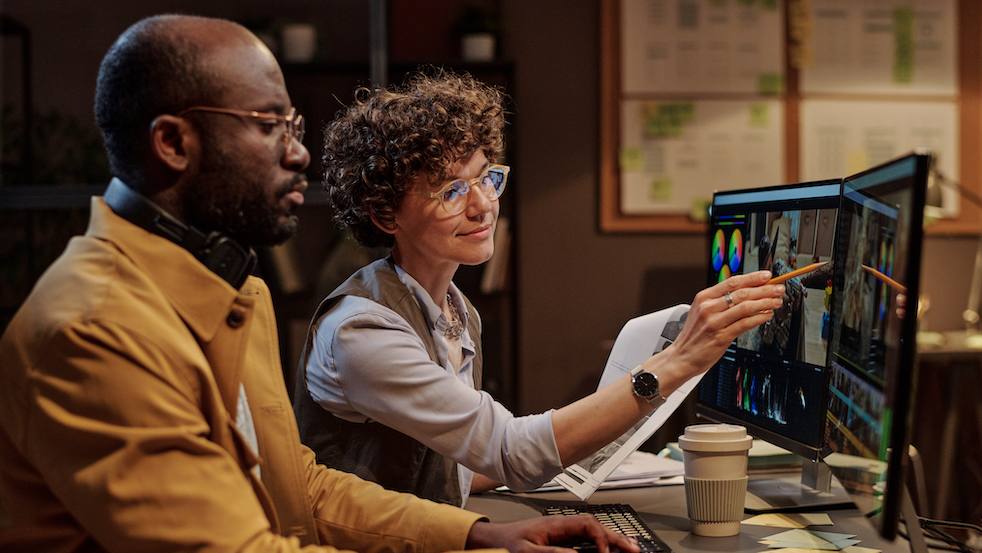



How AI Is Changing Video Editing for Marketers in 2026
Video has become one of the clearest and most engaging ways for brands to communicate online. It helps explain complex ideas, puts stories into motion, and gives audiences a chance to experience a message rather than simply read it. What used to require a full production team can now be handled with a combination of creativity, basic equipment, and the right digital tools.
Artificial intelligence has played a large part in this shift. Over the past few years, AI-assisted editing has evolved from simple automation to a practical companion for those who want to produce more video without all the fuss (and cost!). It does not replace the creative decisions behind a strong video, but it does lighten the technical work that can slow projects down.
Here’s a look at how AI is helping content teams work faster and more confidently.
Why AI Fits Naturally Into the Video Workflow
A traditional video editing process involves cutting clips, adjusting audio, creating captions, refining timing, exporting multiple versions for different channels, and more. These steps can be time-consuming, especially when a team needs to publish content frequently.
For content creators and marketing teams, AI tools offer support by handling the parts of editing that require repetition rather than creativity. They can trim long clips into shorter versions, clean up background noise, fix uneven lighting, and prepare captions in just a few minutes. Many tools also help repurpose recorded webinars, interviews, event footage, etc. into new pieces of content that can be shared across social media or embedded on a website.
The biggest benefit is time. Tasks that once required several hours now take a fraction of that, giving teams more space to focus on storytelling, messaging, and strategy.
Making Video Editing More Accessible
One of the biggest changes AI has brought is reducing the barrier to entry. Marketers who have never opened an editing program can now create polished videos through intuitive interfaces. Many AI platforms offer templates, guided prompts, or automatic editing that help users produce consistent content without needing deep technical knowledge.
Teams that already have video experience also benefit. Developers and designers often use AI tools to test ideas, explore visual directions, or prepare multiple variations of a clip to compare side by side. (As well as provide for better Search Engine Optimization). These tools act as a brainstorming partner, offering options that spark new creative paths.
Generate Captions and Transcripts with AI
Captions and transcripts play a bigger role in video success than many people realize. They make your content accessible to all, support compliance, allow for video consumption in a couple ways, and help search engines understand what your video is about. Most editing tools now include AI-assisted captioning. And platforms like Adobe Premiere Pro continue to improve the accuracy and speed of this process. With just a few clicks, you can create a polished set of captions that opens your content to viewers who rely on text alternatives.
YouTube, Vimeo, and other video platforms also offer automatic captions, but the results can vary. It’s always worth reviewing the output and making corrections where needed. Even small edits help ensure the final version reflects your message clearly.
Adding captions and transcripts can also improve engagement. According to Amberscript, adding captions to your videos can lead to an impressive 80% increase in views. This means more time spent on your content and higher chances of converting views into actions!
Supporting Personalization and Global Reach
As audiences become more diverse, personalization has become a meaningful part of video strategy. AI tools now allow teams to generate subtitles, translate content, or adjust voiceovers in multiple languages. This helps companies create videos that feel relevant to viewers across regions, industries, or buyer roles.
Some platforms can even tailor visuals or text overlays based on who’s watching. While personalization should always be handled carefully and respectfully, it can help ensure that each viewer receives content that feels more in tune with their needs.
Strengthening Quality Without Overextending Your Team
AI can now flag sections of a video where audio drops, identify frames that appear shaky, or recommend where cuts might keep viewers more engaged. These quality improvements are especially helpful for long-form content. Hours of footage can be scanned quickly, with recommendations saved for editors to review and refine.
The goal is not to automate creativity but to raise the baseline. AI provides a foundation that editors can build on and customize with their own judgment, insights, and expertise.
Keeping Human Review at the Center
Even with major improvements in AI, human review is still the most important step in the editing process. Marketers need to consider brand tone, accuracy, and intent before publishing any video. This includes checking for factual consistency, refining transitions, adjusting the pacing, and ensuring that the final cut supports the story being told.
AI excels at generating possibilities. People decide which ones actually work.
Practical Uses for Video Teams Today
Every organization approaches video differently, but AI can help across a wide variety of projects like:
- Turning long presentations into short highlight reels
- Producing quick social clips from recorded meetings or interviews
- Cleaning up audio or lighting issues without manual adjustments
- Creating multi-language versions of event recaps
- Generating captioned videos for accessibility and compliance
These improvements help teams publish more content without lowering standards or spending more time than they can reasonably manage.
Working With a Team That Understands Both AI and Creative Strategy
Engage continues to explore how AI fits into video strategy, not just editing. We help clients understand which tools lighten their workload, which ones fit their goals, and how to maintain a strong brand presence as they adopt new technology.
Our focus is simple: use AI where it adds value while maintaining a clear, human point of view in every piece of content.
If your team is ready to explore AI-assisted video editing or improve how you produce and share video content, we can help you find the right balance of creativity, efficiency, and consistency.