


Turning Trade Show Interactions into Actionable Marketing
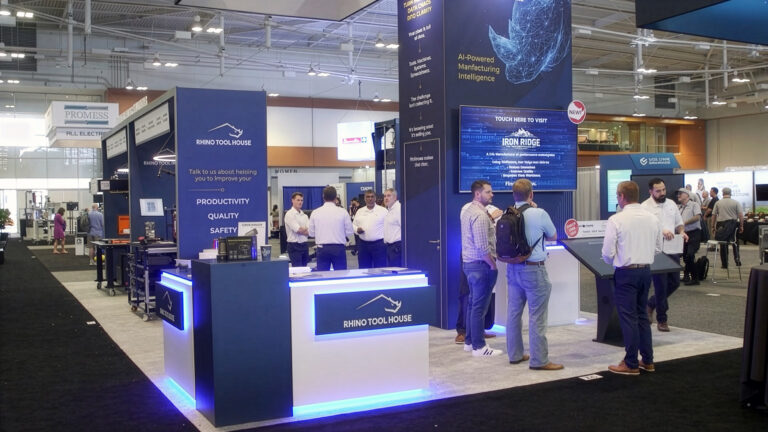
Trade shows remain one of the most effective channels for generating leads and networking in B2B contexts. They are the second most effective marketing tactic for lead generation, behind company websites, reflecting their continued influence on buyer behavior. They deliver face-to-face conversations, high-intent interactions, and valuable insight into what buyers are actively researching. Yet for many organizations, the value of those interactions fades quickly once the booth is packed up.
Badge scans, session attendance, and meeting notes often end up isolated in spreadsheets, shared drives, or lead retrieval systems that never fully connect to ongoing marketing efforts. When that happens, manufacturers lose the opportunity to use trade show data to inform future campaigns, improve targeting, and support long sales cycles.
This article explains how manufacturers should use trade show data operationally, so it feeds CRM systems and marketing workflows instead of sitting idle after the event.
Trade Shows Generate Behavioral Data, Not Just Leads
Manufacturing events do more than produce contact lists. They generate behavioral signals that are difficult to capture anywhere else. These include:
- Which products or solutions sparked interest
- Which accounts requested meetings or demos
- Which challenges were discussed repeatedly at the booth
Each of these interactions provides context that can shape future marketing and sales efforts. The issue is not data collection. The issue is what happens after the data is collected.
What Trade Show Data Manufacturers Are Typically Capturing
Most manufacturing teams already gather more data than they realize. Common sources include:
- Badge scans from booth interactions
- Session or workshop attendance data from event platforms
- Meeting notes from scheduled or impromptu conversations
- Demo participation or product interest selections
- Post-event surveys or follow-up form responses
Individually, these data points offer limited value. When structured and connected, they become a powerful input for CRM segmentation, lead scoring, and campaign planning.
Why Trade Show Data Stalls After an Event
Research suggests that only about 6% of exhibitors feel confident in their ability to convert trade show leads effectively, highlighting how many organizations struggle to operationalize event data. Common issues include:
- Data stored in isolated spreadsheets with no clear next step
- Inconsistent labeling of interactions or interests
- CRM fields that are not designed to capture event context
- No agreement between sales and marketing on how the data should be used
Without a defined operational flow, even the most engaged trade show interactions lose relevance within weeks of the event.
Why this Matters More in Manufacturing
Manufacturing sales cycles are long and rarely a straight line. Multiple stakeholders may engage at different times, often months apart. Trade show interactions provide early and mid-stage intent signals that help marketing teams understand where an account is in its decision process.
For example, a maintenance manager talking about a reliability challenge may indicate a very different need than a procurement lead requesting pricing information. Treating both as generic “event leads” ignores valuable nuance.
Using trade show data correctly allows marketers to continue the conversation long after the event, rather than starting from scratch with every campaign.
How Trade Show Data Should Flow Into Your Marketing System
Standardize Event Data Before It Reaches the CRM
Before importing any trade show data, manufacturers should define standards. This includes:
- Clear categories for interaction types
- Consistent naming conventions for events and sessions
- Required fields for product interest, role, or buying stage
This step prevents confusion and ensures the data can be segmented and used reliably across teams.
Integrate Trade Show Data Directly into the CRM
Trade show data should live where ongoing marketing and sales activity occurs. Badge scans, meetings, and discussion notes should map to CRM records as activities, properties, or engagement history tied to contacts and accounts.
When event data is connected to existing records, it adds context rather than noise.
Apply Context Through Segmentation and Scoring
Not all trade show interactions are equal. Pricing inquiries, repeated booth visits, or demo requests often signal higher intent than a single badge scan.
Manufacturers should use event data to inform:
- Lead and account scoring
- Lifecycle stage updates
- Audience segmentation for future outreach
This allows marketing efforts to reflect real behavior instead of assumptions.
Trigger Marketing Workflows Based on Event Behavior
Over 80% of tradeshow attendees have buying authority, indicating high potential for conversion when follow-up and data integration are executed well. Rather than sending a single post-event email, trade show data should activate tailored workflows. These may include:
- Follow-up content aligned to sessions attended
- Sales notifications for high-intent interactions
- Nurture campaigns based on product or topic interest
This approach ensures trade show engagement continues to influence buying journeys over time.
Using Trade Show Data to Shape Future Campaigns
The value of trade show data extends beyond immediate follow-up. When analyzed over time, it can inform broader strategy, including:
- Content topics based on discussion trends
- Campaign messaging tied to recurring pain points
- Audience targeting for digital and account-based campaigns
- Planning for future events and sponsorship decisions
In this way, trade show data becomes an input to long-term planning, not just short-term response.
Common Mistakes Manufacturers Should Avoid
Even well-intentioned teams can undermine trade show data value by:
- Treating every badge scan as a qualified lead
- Automating follow-up without context
- Failing to align sales and marketing on how to use the data
- Measuring success only by post-event lead quantity
Avoiding these pitfalls requires process clarity and shared ownership across teams.
Feed Your CRM with Trade Show Data
Trade shows remain a critical part of manufacturing marketing, but their value does not end when the booth comes down. When trade show data feeds the CRM and marketing workflows, it strengthens campaigns, improves targeting, and supports long buying cycles. When it sits in spreadsheets, its value erodes quickly and ROI is nearly impossible to calculate.
Manufacturers that operationalize trade show data build marketing systems that learn from every event and improve over time. That is where real, sustained impact comes from.
If turning trade show data into a repeatable marketing system feels fragmented or overly manual, BNP Engage can help. Our team works with manufacturing organizations to connect event data, CRM structure, and marketing workflows so insights from every show continue to drive value long after the event ends. If you want to talk through how this could work within your existing systems, the conversation starts there.